If you’ve got a small backyard, you already know every square foot matters. The mistake I see most people make is assuming a tree swing needs a big open lawn to work. It doesn’t.
In fact, some of the best tree swing setups I’ve seen are in tighter spaces—they’re just planned smarter.
This guide walks you through exactly what works (and what doesn’t), so you don’t waste time or money installing something that feels cramped, unsafe, or barely usable.
What Actually Works in a Small Backyard
When space is limited, the goal isn’t just “fit a swing.”
It’s to control movement, reduce footprint, and keep things safe.
Here’s the reality:
- A swing needs clearance in front and back (not just side-to-side)
- Most injuries happen from collisions or falls when space is tight
- You don’t need a big tree—but you do need the right branch
👉 Ideal setup:
- 3–5 ft clearance from trunk
- Minimal obstacles (fence, wall, patio furniture)
- Branch at least ~8” thick and healthy
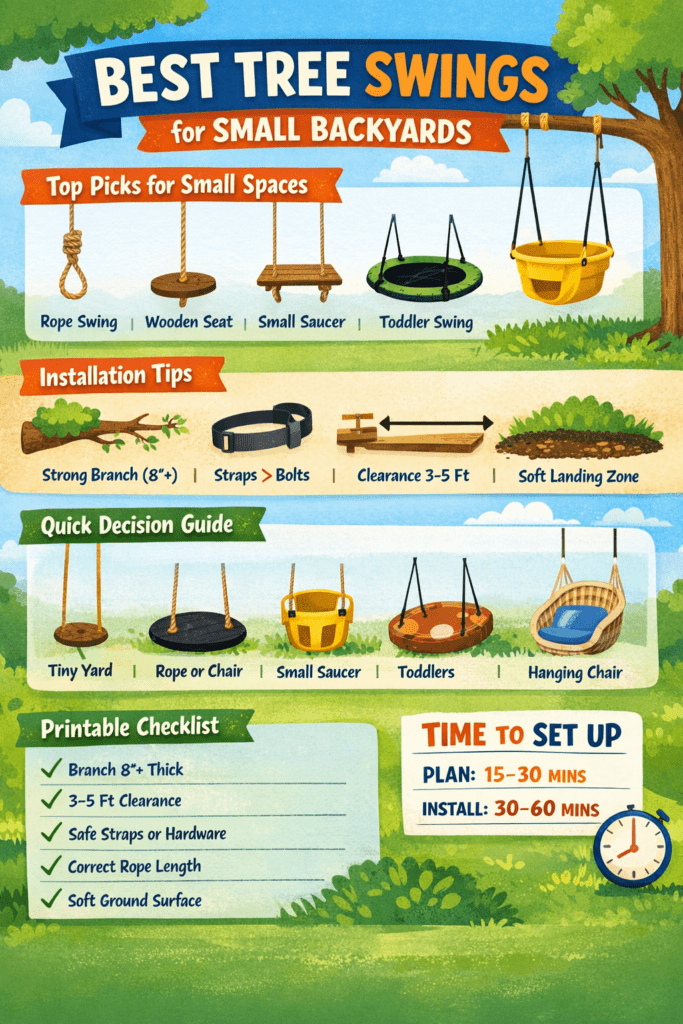
Best Types of Tree Swings for Small Spaces
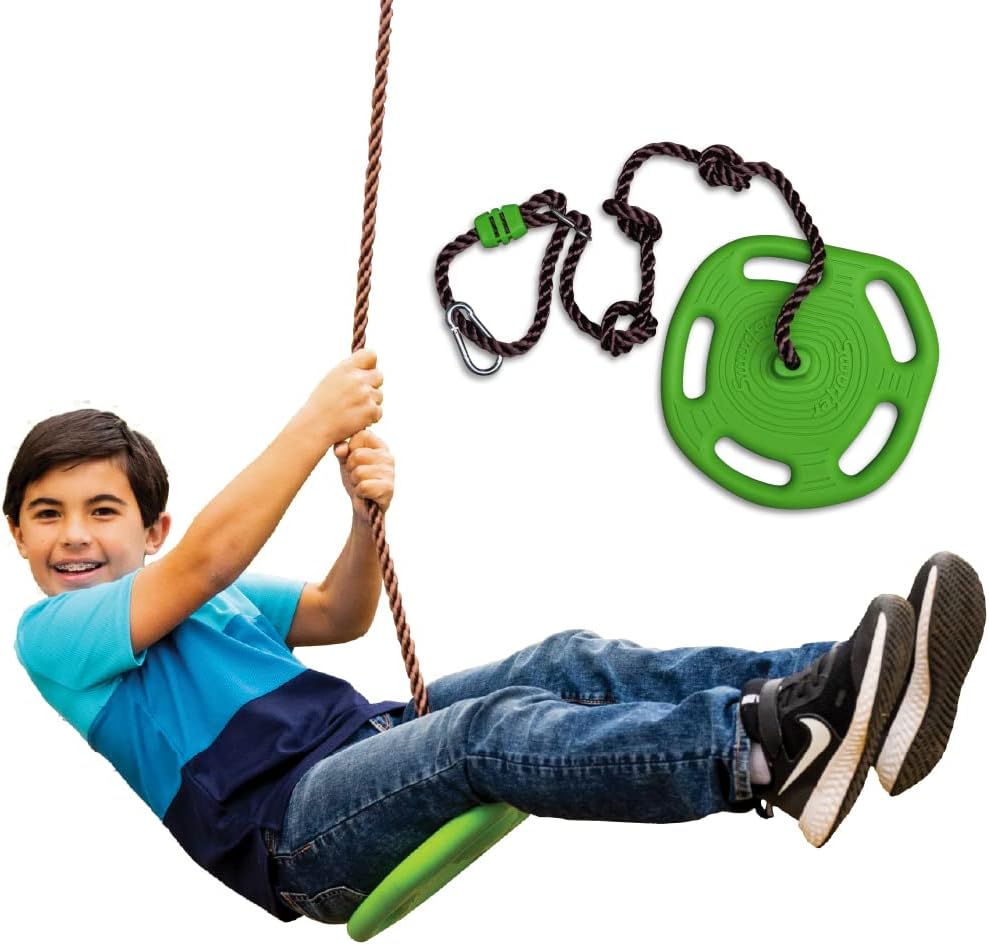
1. Single Rope (Disc or Knotted Swing)
Best for: tight spaces + simple installs
- Takes up almost no horizontal space
- Movement is mostly vertical + slight swing
- Easy to install in under 30 minutes
Trade-offs:
- Less comfortable for long sitting
- Requires balance (better for older kids or active users)
👉 Good starting point: How to Hang a Tree Swing
2. Classic Wooden Seat Swing
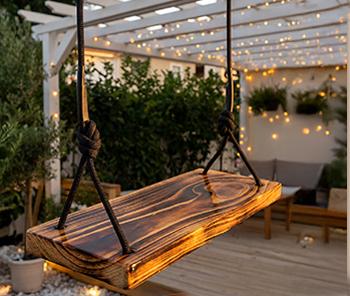
Best for: small yards + all ages
This is the most underrated option for small yards.
- Narrow footprint (15–25 inches typical seat width)
- Controlled swing arc
- Works for both kids and adults
Trade-offs:
- Not as “fun” visually as saucer swings
- Needs proper leveling and spacing
👉 Pair it with: Tree Swing Strap Size & Safety Calculator
3. Small Saucer Swing (40” or less)
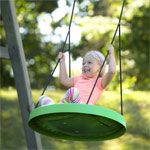
Best for: shared use in limited space
- Can hold multiple kids
- Comfortable lounging style
- Popular because it feels like a mini hangout spot
Trade-offs (important):
- Larger swing arc = needs more clearance
- Can feel crowded in tight yards
👉 Rule of thumb:
If your yard is under ~20 ft deep → go smaller or skip this style.
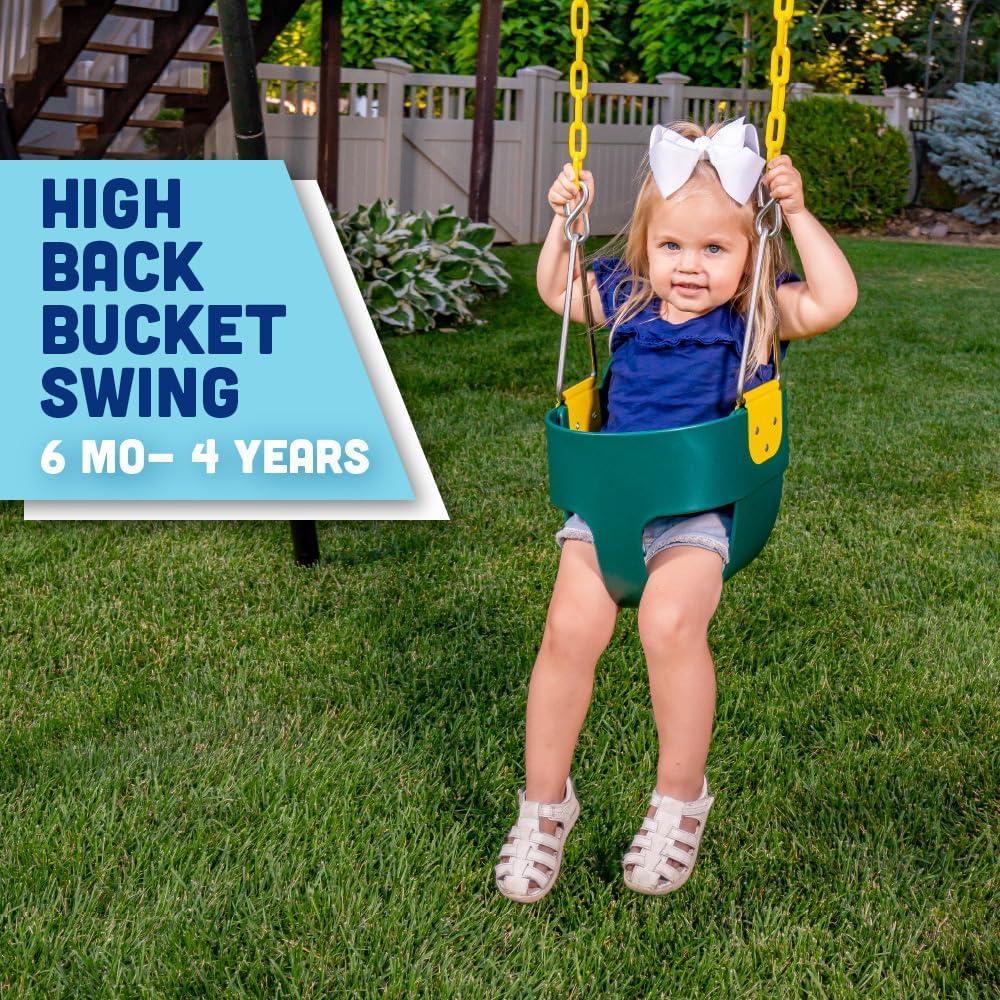
4. Toddler / Bucket Swing
Best for: very tight yards + safety-first setups
- Minimal movement
- Built-in support (legs + backrest)
- Lower height installation
Trade-offs:
- Short-term use (kids outgrow it quickly)
- Less versatility
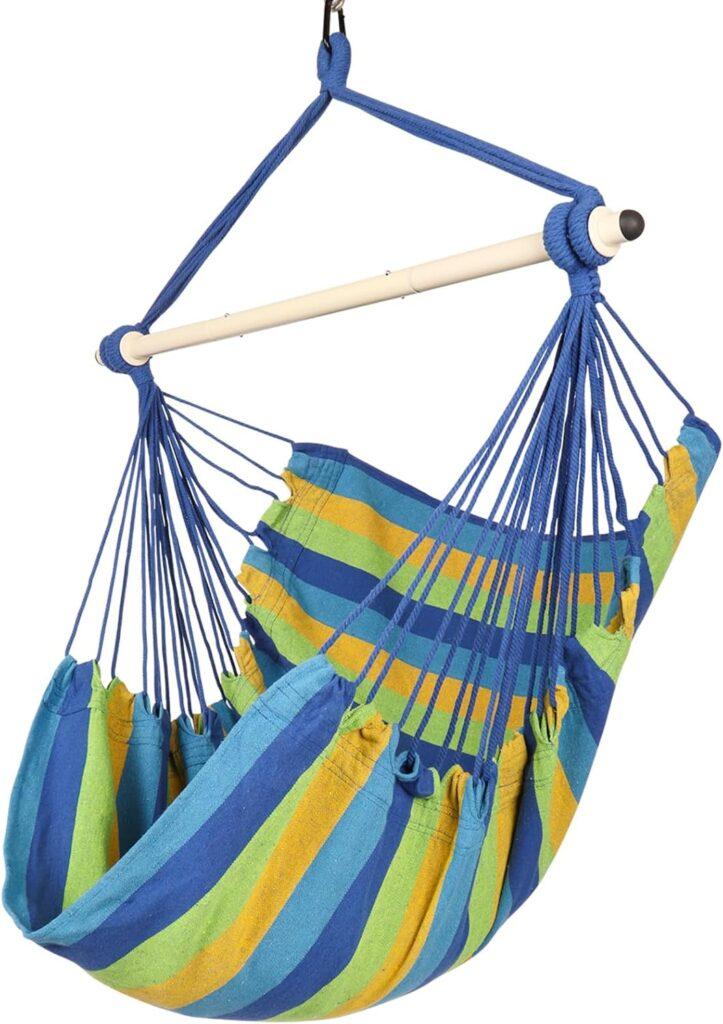
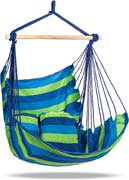
5. Hanging Chair / Hammock Swing
Best for: adults + relaxation zones
This is the smartest option most people overlook.
- Very limited swing motion (perfect for small spaces)
- Feels more like seating than play equipment
- Works well near patios or decks
Trade-offs:
- Not ideal for kids who want active swinging
- Requires strong anchor point
How to Choose the Right One (Quick Decision Guide)
If you want to skip the guesswork:
- Very small yard (<15 ft depth) → Rope swing or hanging chair
- Medium-small yard (15–25 ft) → Wooden seat swing
- Kids + shared play → Small saucer swing
- Toddlers only → Bucket swing
Installation Tips (Small Backyard Edition)
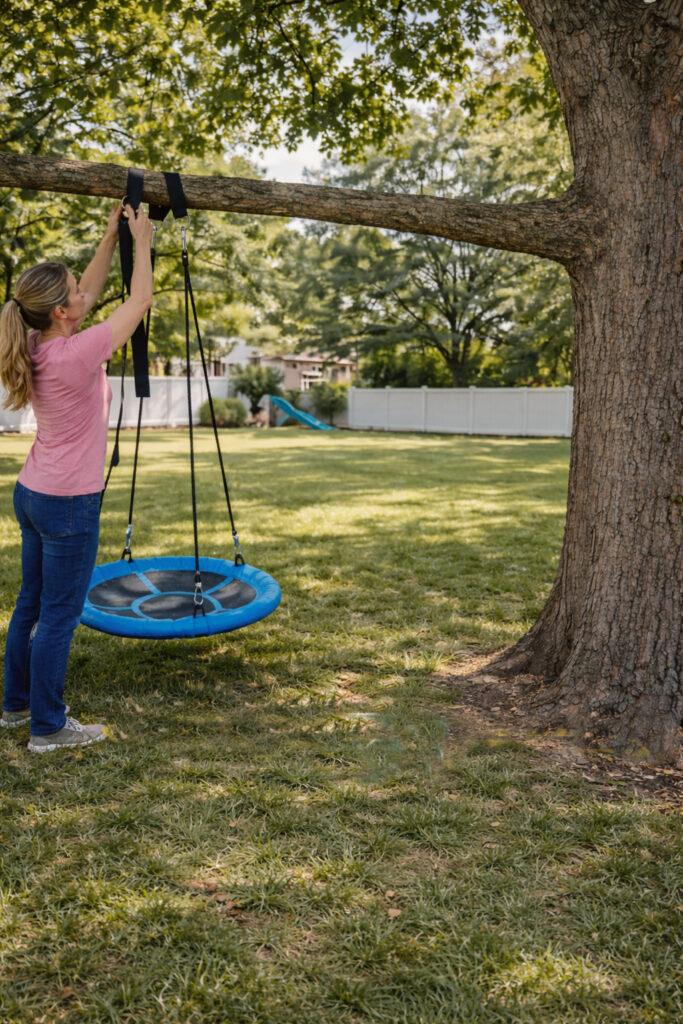
This is where most setups fail.
1. Control the swing arc
Shorten rope length slightly to reduce travel distance.
2. Use straps instead of bolts
Better for the tree and easier to adjust.
👉 See: Will My Tree Branch Support a Swing?
3. Keep it centered
Avoid placing swings near:
- Fences
- Walls
- Outdoor kitchens or furniture
4. Add a soft landing zone
Mulch, grass, or rubber mats help reduce injury risk.
Realistic Expectations (What Nobody Tells You)
- You’re not building a playground—you’re creating a controlled, enjoyable motion zone
- Smaller yards = shorter swing arcs (that’s a feature, not a limitation)
- Simpler swings often get used more than oversized ones
Product Recommendations (By Use Case)
- Budget: simple rope or plastic disc swing
- Mid-range: wooden plank swing with straps
- Premium: small saucer swing with adjustable ropes
👉 See full picks: https://www.swingsfortrees.com/tree-swing-comparison/
Printable Checklist
Small Backyard Tree Swing Setup Checklist
- Branch ≥ 8” diameter
- 3–5 ft clearance from trunk
- No obstacles in swing path
- Correct rope length for space
- Weight capacity matches users
- Installed with straps or rated hardware
- Soft ground surface below
Time to complete:
- Planning: 15–30 minutes
- Installation: 30–60 minutes
Frequently Asked Questions
What is the safest swing for a small backyard?
A wooden seat swing or toddler bucket swing. They have the most controlled movement and lowest risk.
How much space do I need for a tree swing?
At minimum, allow 6–10 feet of forward/back clearance to avoid collisions.
Can I use a tree swing near a fence?
You can—but it’s risky. Keep at least several feet of clearance to prevent impact injuries.
Are saucer swings good for small yards?
Only smaller versions. Full-size saucer swings often need more space than people expect.
What’s the easiest swing to install?
A rope or disc swing—these can be set up quickly with straps and minimal tools.
Conclusion
If your backyard is small, the goal isn’t to go bigger—it’s to go smarter.
The best setups I’ve seen use:
- Simple designs
- Controlled movement
- Clean, intentional placement
Get that right, and even a tight yard can feel like the best spot in the house.