If you’ve ever set up a tree swing, stepped back, and watched it slowly creep sideways along the branch… you already know how frustrating (and a little nerve-wracking) it can be.
This isn’t just a cosmetic issue. A sliding swing changes load points, creates uneven stress on the branch, and can eventually lead to rope wear or instability. The good news? Once you understand why it’s happening, the fix is usually simple—and much safer.
Let’s break it down the way someone who installs and adjusts these regularly would.
Why Your Swing Keeps Sliding
1. The Branch Isn’t Level
This is the #1 cause—and it’s often subtle.
Even a slight slope in the branch will cause gravity to pull the straps or rope toward the lower side. Add movement from swinging, and that slow drift becomes inevitable.
What it looks like:
- Swing starts centered but shifts after use
- One strap slowly creeps outward
- Seat becomes slightly angled over time
Reality check:
If the branch isn’t level, no amount of tightening alone will permanently fix it.
2. Smooth Bark = Low Friction
Trees with smoother bark don’t “grip” straps or rope very well.
Common culprits:
- Birch
- Maple
- Some oaks with worn bark
- Polished or weathered limbs
Less friction = more movement.
3. Straps or Rope Are Too Narrow
Thin rope or narrow straps concentrate pressure in a small area, making it easier to slide. Wider straps distribute weight and increase friction—this is why most modern setups use them.
4. Swing Motion Is Off-Center
If kids (or adults) are swinging unevenly—twisting, leaning, or pushing to one side—it gradually shifts the anchor point. Over time, that movement “walks” the swing across the branch.
5. No Anchor System in Place
If you’re just looping rope or straps over a branch without any positioning control, you’re relying entirely on friction—and friction loses.
The Best Fixes (What Actually Works)
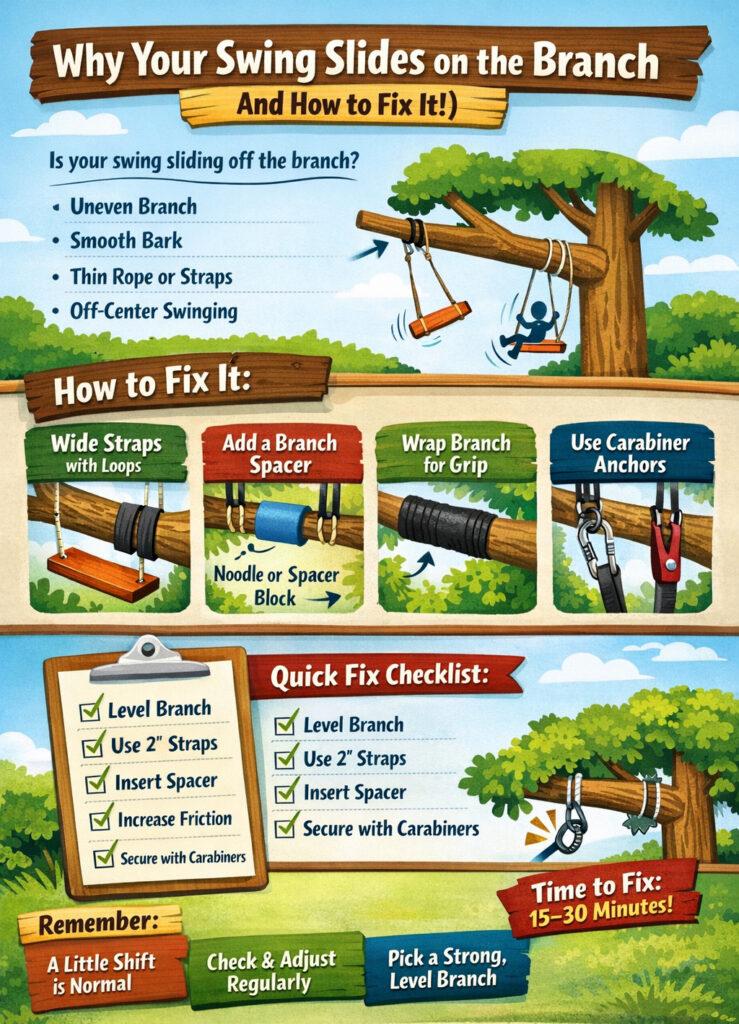
Fix #1: Use Tree Swing Straps with Built-In Loops
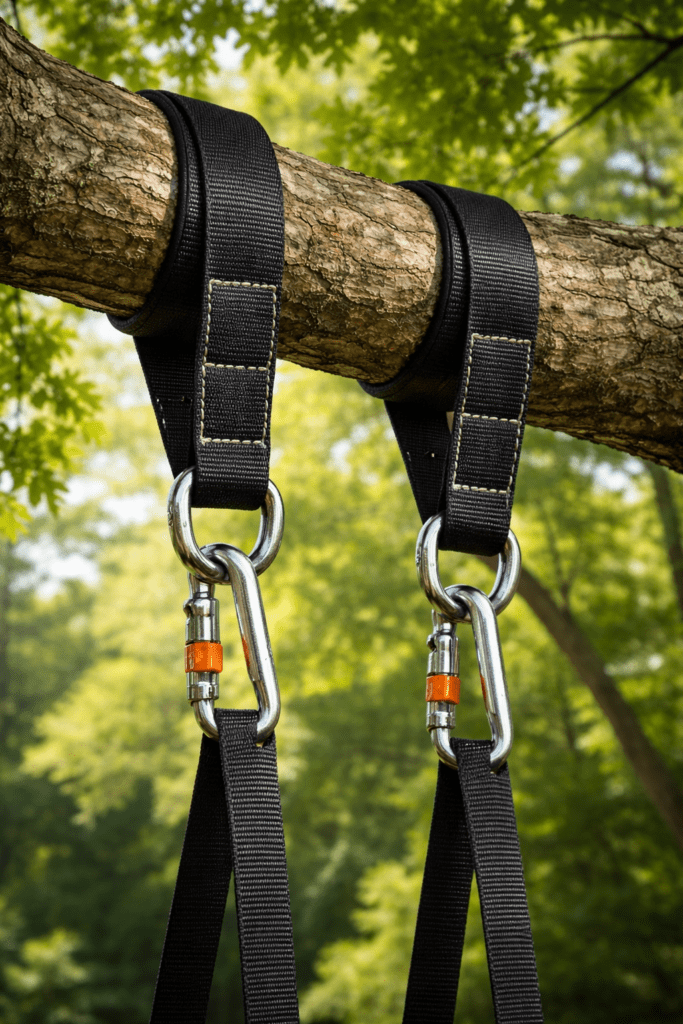
This is the simplest upgrade.
Look for straps with:
- Multiple sewn loops
- Non-slip texture
- At least 2 inches wide
These let you lock in position instead of relying on friction alone.
👉 For examples and setup ideas, see:
Time to complete: 10–15 minutes
Fix #2: Add a Branch Spacer (Game-Changer)
A spacer keeps straps from drifting inward or outward.
Options:
- Pool noodle (quick DIY)
- Foam pipe insulation
- Wood spacer block (more permanent)
You place it between the straps to maintain spacing.
Trade-off:
- DIY options are cheap but wear out
- Wood spacers last longer but require measuring
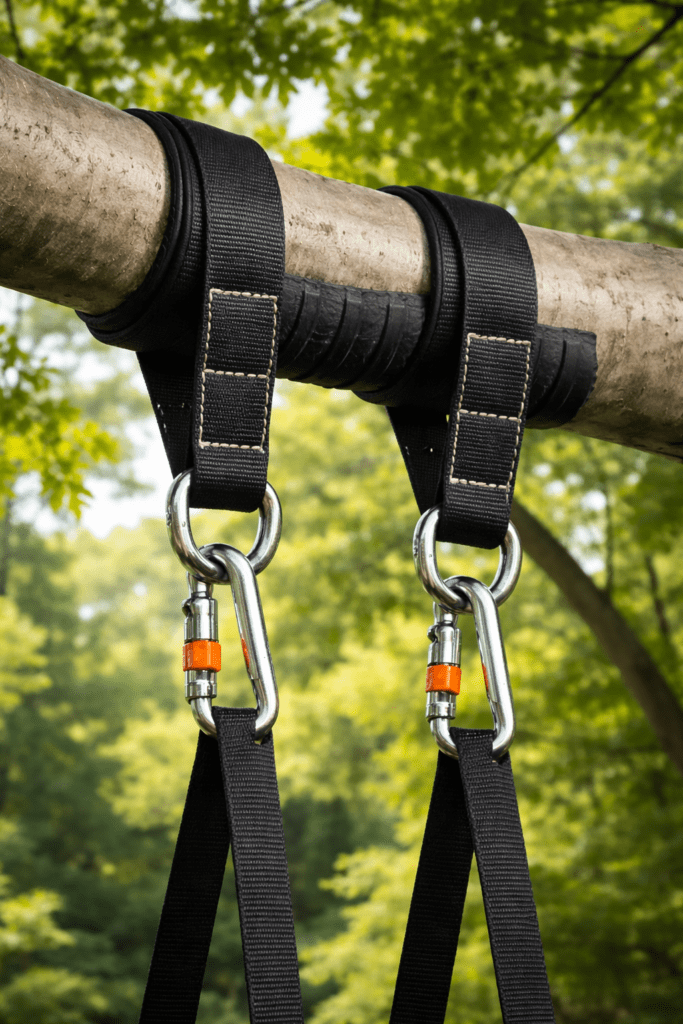
Fix #3: Wrap the Branch for Grip
If the bark is too smooth, add friction.
Use:
- Rubber padding
- Old bike inner tube
- Anti-slip mat material
Wrap it where the straps sit.
Why it works:
You’re increasing surface resistance—simple physics.
Fix #4: Use a Carabiner Anchor System
Instead of looping directly over the branch, use:
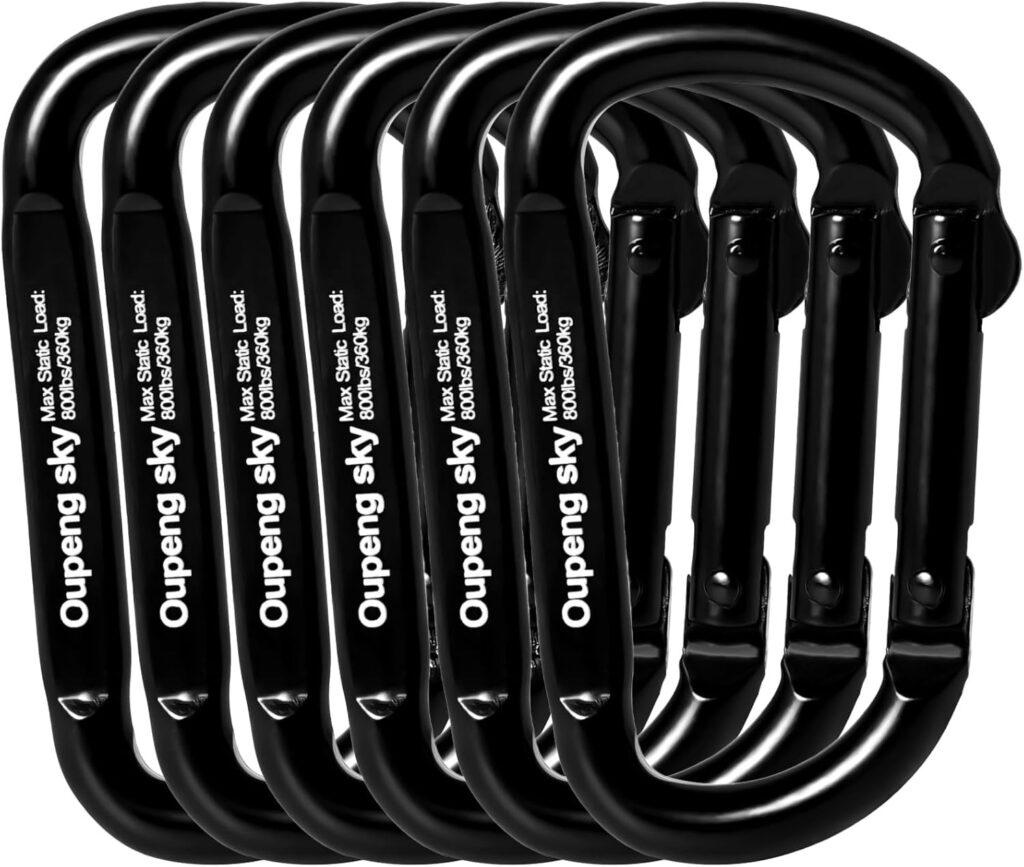
- Straps with loops
- Locking carabiners
- Pre-set spacing
This creates a fixed anchor point.
👉 How to Test Tree Branch for Safety
Time to complete: 15–25 minutes
Fix #5: Choose a Better Branch (If Needed)
Sometimes the honest answer is: this branch just isn’t ideal.
Look for:
- Horizontal orientation
- Rough bark
- 8–12 inches thick (minimum)
- No visible cracks
Trade-Offs and What to Expect
Let’s be real—there’s no such thing as a perfectly static swing. Even with the best setup:
- Minor shifting can still happen over time
- Seasonal changes (wind, growth, moisture) affect grip
- Kids will test your setup in ways you didn’t plan for
Your goal isn’t zero movement—it’s controlled, safe positioning.

Printable Checklist: Stop Swing Sliding
Quick Fix Checklist:
- Branch is as level as possible
- Using straps (not thin rope)
- Straps are at least 2″ wide
- Added spacer between straps
- Increased friction (rubber or wrap)
- Anchored with carabiners or loops
- Swing hangs evenly when empty
Time to complete: 15–30 minutes total
Frequently Asked Questions
Why does my swing slide more after rain?
Wet bark reduces friction. Think of it like a wet rock—it becomes slippery. Adding grip material helps a lot here.
Can I screw something into the branch to stop movement?
You can, but it’s not recommended unless done correctly. It can damage the tree and create weak points. Strap systems are safer for both the tree and the swing.
Are ropes worse than straps for sliding?
Yes, in most cases. Rope has less surface area and grips poorly compared to wide straps.
How far apart should my swing straps be?
Typically 16–24 inches apart, depending on the seat. Too close increases instability; too wide can strain the branch unevenly.
Will the swing eventually damage the branch if it slides?
Yes. Constant movement can wear bark away, exposing the tree and weakening the branch over time.
Conclusion
A sliding swing isn’t random—it’s physics, friction, and setup working against you. The mistake most people make is trying to “tighten it more” when the real solution is control and stability:
- Wider straps
- Better spacing
- Added friction
- Fixed anchor points
Get those right, and your swing stays where it belongs—centered, balanced, and safe. If you’re setting up a swing once, do it right the first time. It takes an extra 15–20 minutes now, but it saves you from constant adjustments (and potential safety issues) later.