Best Overall (Durability + Comfort Balance)
Live Casual Composite Heavy Duty Tree Swing
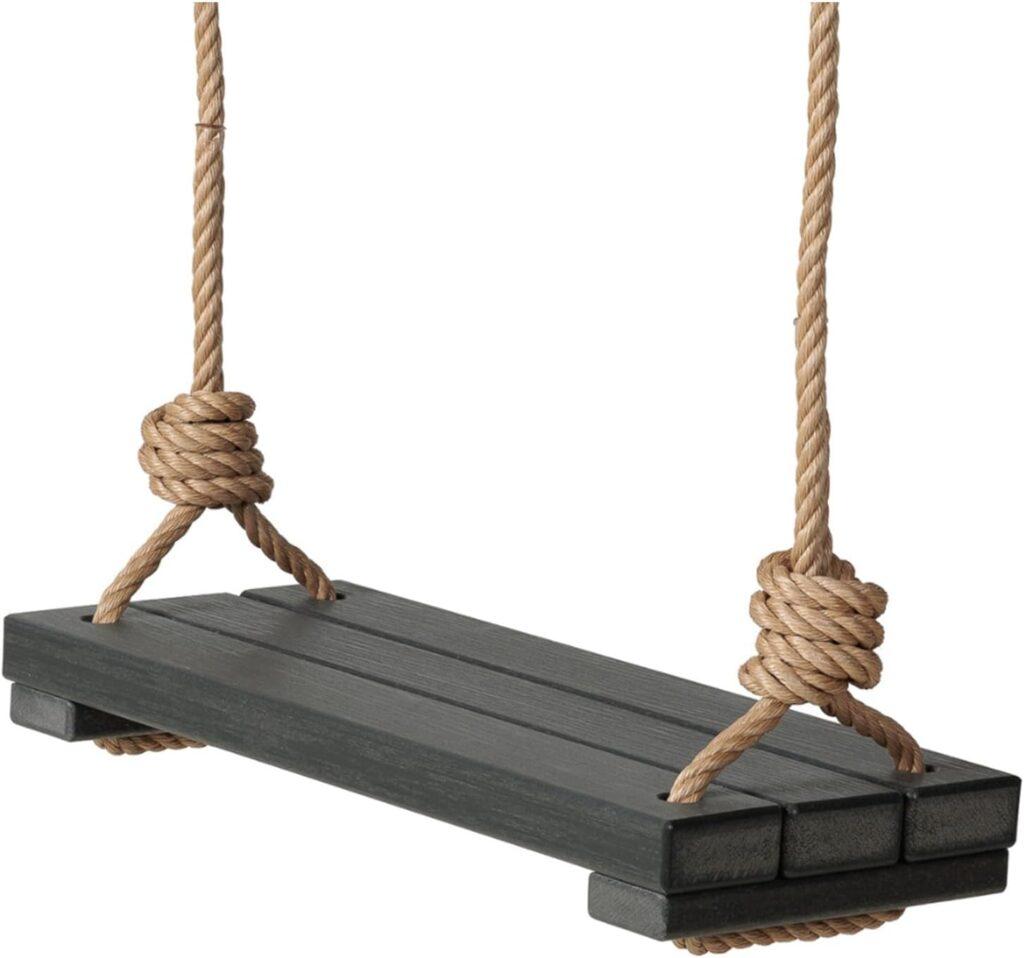
If you want something that actually feels like it was made for adults—not oversized kids gear—this is the benchmark.
Why it works:
- Composite material won’t crack, rot, or warp like cheap wood
- Wide, supportive seat (not narrow pressure points)
- Built for long-term outdoor exposure
Trade-offs:
- Higher upfront cost
- Needs solid mounting hardware (don’t cheap out here)
👉 Best for: backyard relaxation, daily use, long-term install
Best Platform Swing (700 lb Capacity / Multi-User)
Large platform swing supporting multiple adults with very high weight capacity. If you want maximum capacity and flexibility, platform swings are hard to beat.
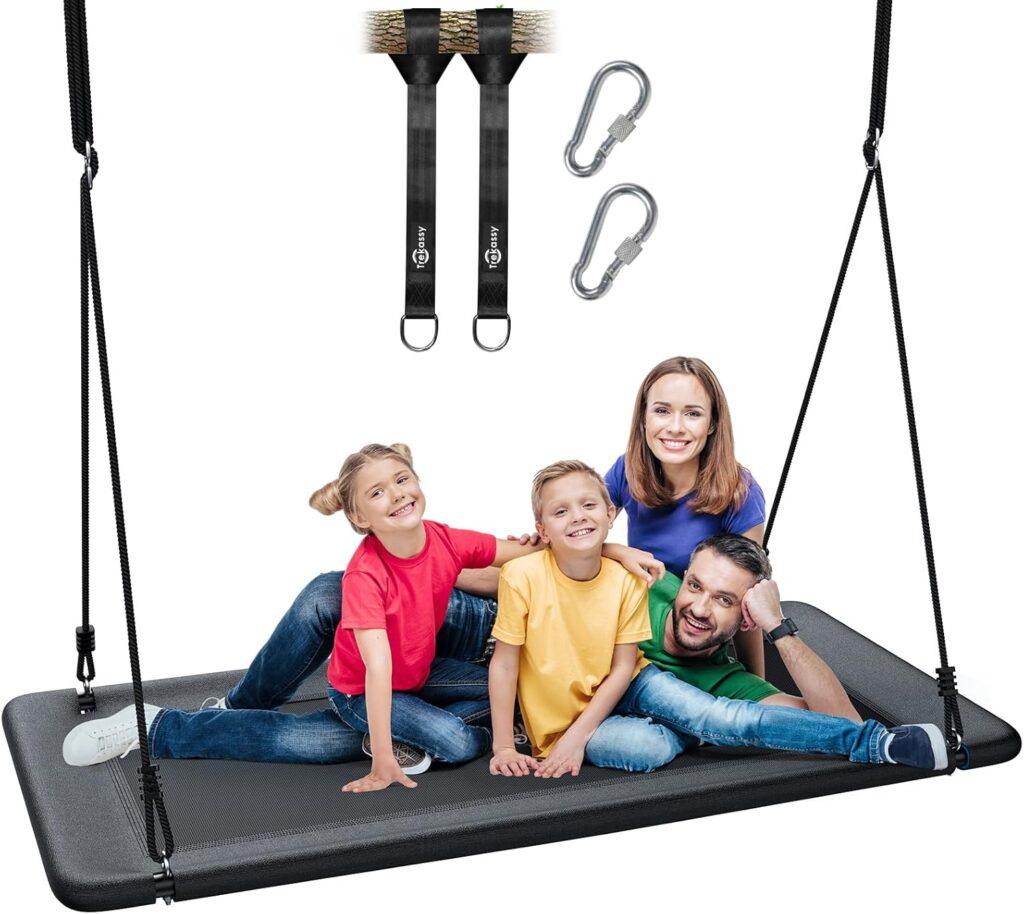
Why people choose this:
- 700 lb capacity (huge safety margin)
- Can sit, recline, or share with another person
- Great for uneven weight distribution
Trade-offs:
- Requires more space
- Needs stronger tree branch (this is critical)
👉 Best for: couples, lounging, or larger users
Best Classic Style (Chair for Two)
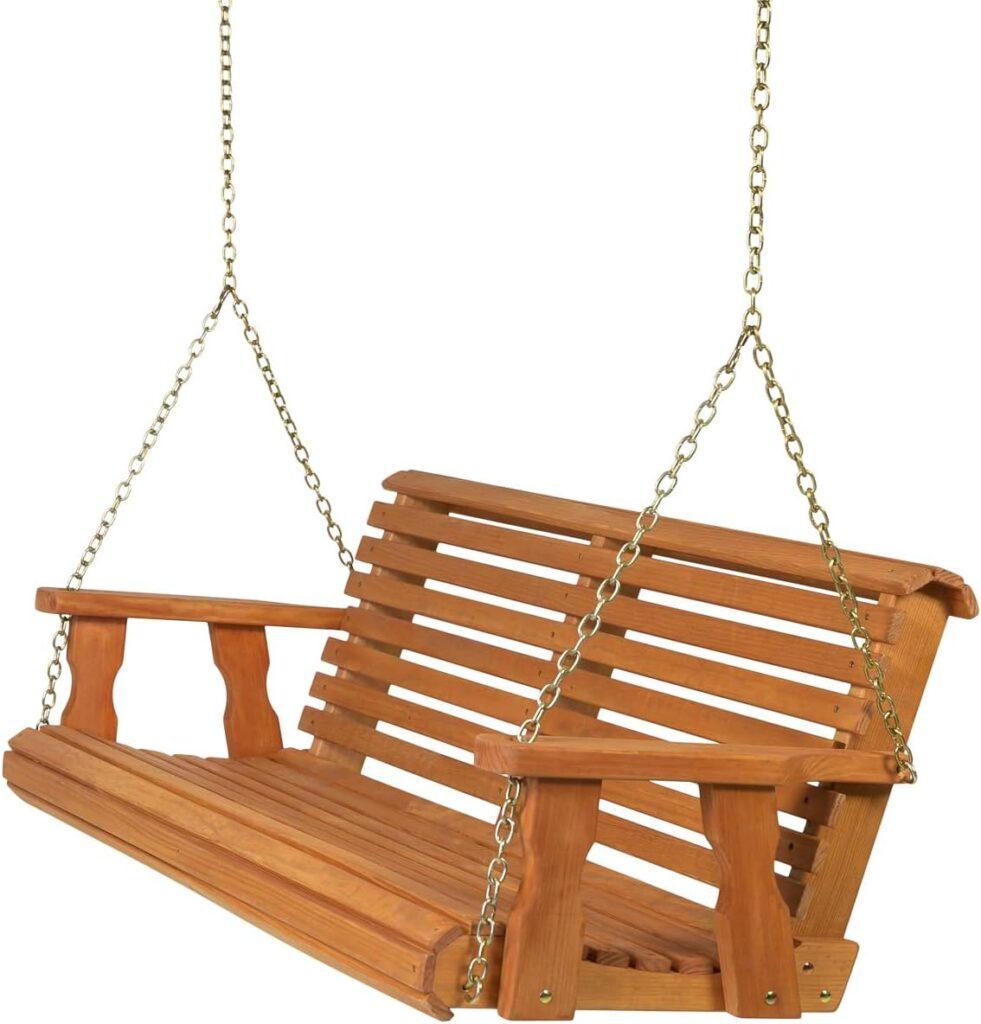
Traditional wooden swing with simple design and proven durability. Sometimes simple wins—especially outdoors.
Why it works:
- Straightforward design = fewer failure points
- Comfortable for short-to-medium sessions
- Timeless look
Trade-offs:
- Wood requires maintenance
- Less ergonomic than modern designs
👉 Best for: traditional setups, aesthetic yards
Best Lounge-Style Swing (Comfort Focus)
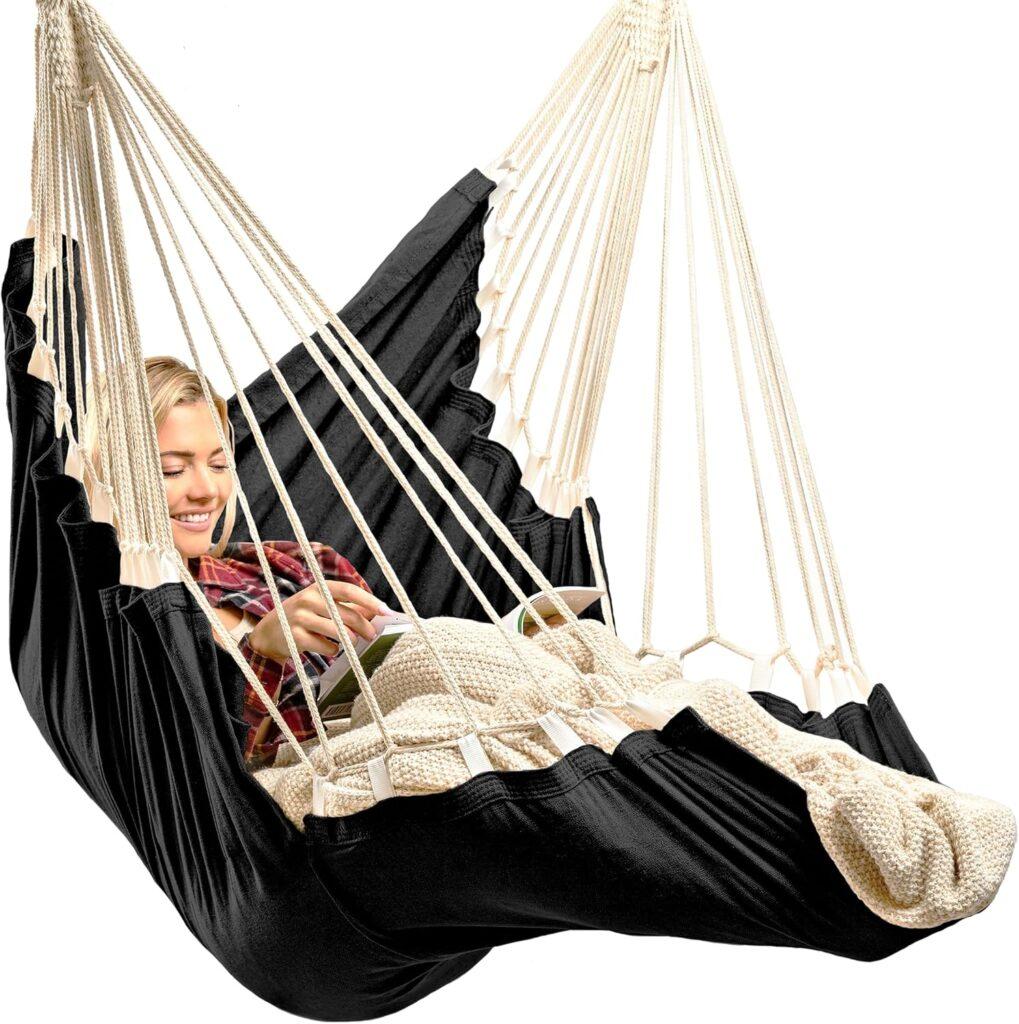
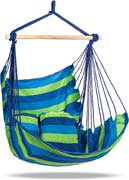
Reclining hanging chair for maximum comfort and relaxed seating. If your goal is comfort over motion, this changes the game.
Why it stands out:
- Reclined seating reduces pressure points
- Feels more like outdoor furniture than a swing
- Easier on back and hips
Trade-offs:
- Requires stand or strong overhead mount
- Not a traditional “swinging” feel
👉 Best for: relaxation, reading, longer sitting sessions
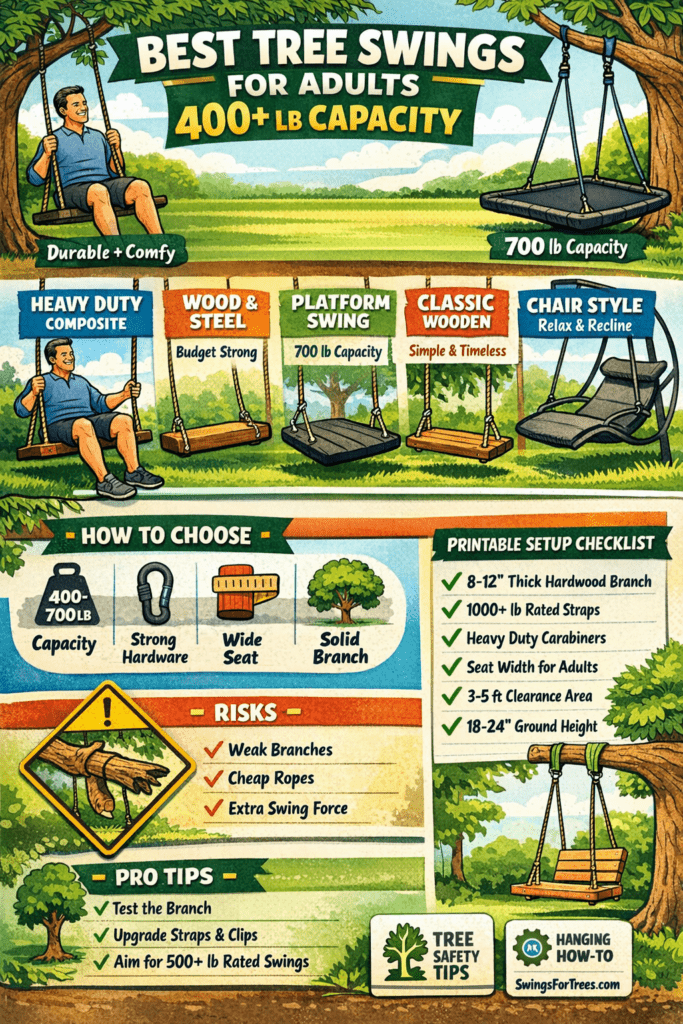
How to Choose (What Actually Matters)
Here’s what separates a good purchase from a frustrating one:
1. Weight Capacity (Real vs. Marketing)
- Look for 400 lbs minimum, ideally 500–700 lbs
- Extra capacity = less flex, more stability
2. Hardware Matters More Than the Swing
Most failures happen here—not the seat.
3. Seat Width + Support
- Narrow = uncomfortable fast
- Wide or contoured = usable daily
4. Tree Branch Strength (Critical)
- Minimum: 8–10 inch diameter hardwood branch
- No cracks, no deadwood
👉 How to Test Tree Branch Strength
Risks & Realistic Expectations
Let’s be honest—this is where people mess up:
- A “400 lb rated swing” doesn’t mean dynamic movement at 400 lbs
- Swinging creates force multipliers (1.5–2x body weight)
- Cheap ropes and carabiners are the weak point
👉 If you’re near the upper weight limit:
- Upgrade straps + hardware immediately
- Consider dual-anchor setup for stability
Printable Checklist
Tree Swing Setup Checklist (400+ lb Capacity)
✔ Branch diameter: 8–12 inches minimum
✔ Hardwood tree (oak, maple, etc.)
✔ Rated straps (1000+ lb preferred)
✔ Carabiners or shackles rated for load
✔ Seat width comfortable for adult use
✔ Clearance: 3–5 feet all around
✔ Ground clearance: 18–24 inches
Time to complete:
- Selection: 20–30 minutes
- Installation: 30–60 minutes
Frequently Asked Questions
What is the safest tree swing for heavier adults?
Platform swings or reinforced wood/steel hybrids—they distribute weight better.
Can a tree branch really hold 400+ lbs?
Yes—if it’s hardwood and thick enough. The branch is usually stronger than the hardware.
Should I use rope or straps?
Straps. They protect the tree and handle load better.
Is 400 lb capacity enough?
Bare minimum. If you’re close to that, aim for 500–700 lb rated swings.
Final Take
If you want one piece of advice that will save you headaches:
👉 Buy for capacity AND upgrade your hardware immediately.
Most people do the opposite—and that’s why swings fail.
- Want long-term reliability → go composite or reinforced
- Want max strength → go platform (500–700 lb range)
- Want comfort → go chair-style or wide seat
Build it once, build it right—and you’ll actually use it.