Setting up a tree swing for a toddler is very different from setting one up for older kids. You’re not just thinking about fun—you’re thinking about containment, stability, and controlled motion.
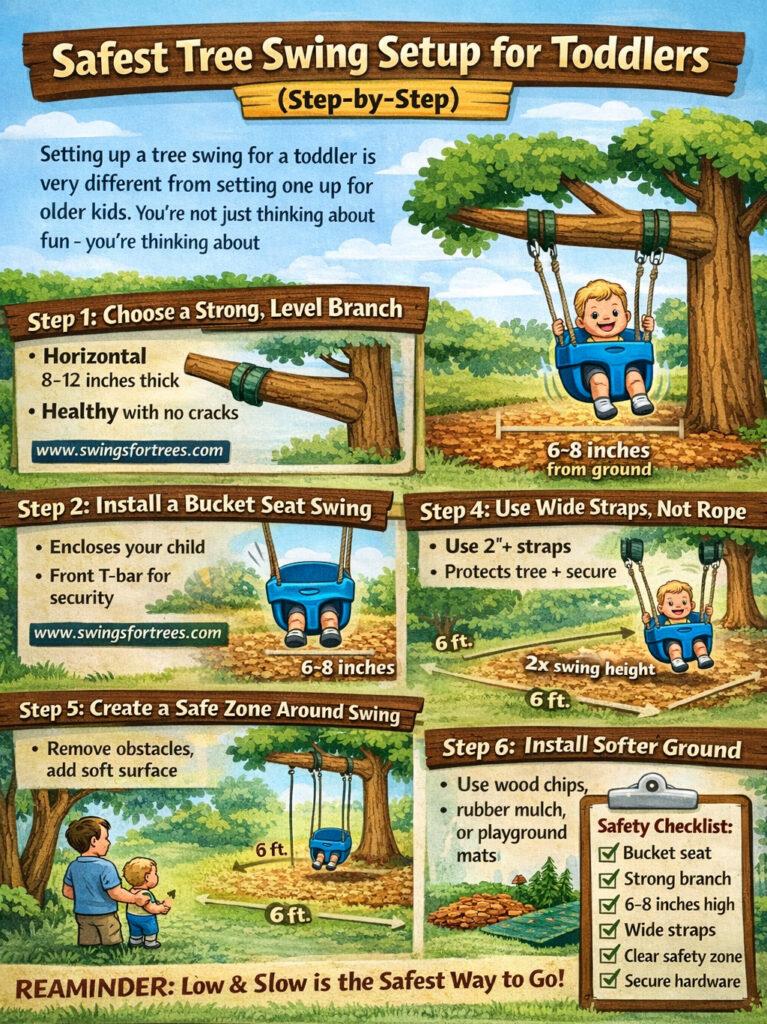
I’ve seen a lot of backyard setups that look safe at a glance… but miss one or two key details that actually matter most for toddlers. The difference between a “pretty safe” swing and a truly safe setup comes down to a handful of decisions you make upfront.
Let’s walk through exactly how to get this right.

The #1 Rule: Toddlers Need Containment, Not Just a Seat
Before anything else—don’t use a flat swing seat.
Toddlers need:
- Full bucket seat
- Leg holes + back support
- Front barrier
This isn’t optional. It’s foundational.
According to safety guidelines, bucket-style seats with support are specifically recommended for younger children to reduce fall risk and improve stability.
Step 1: Choose the Right Branch
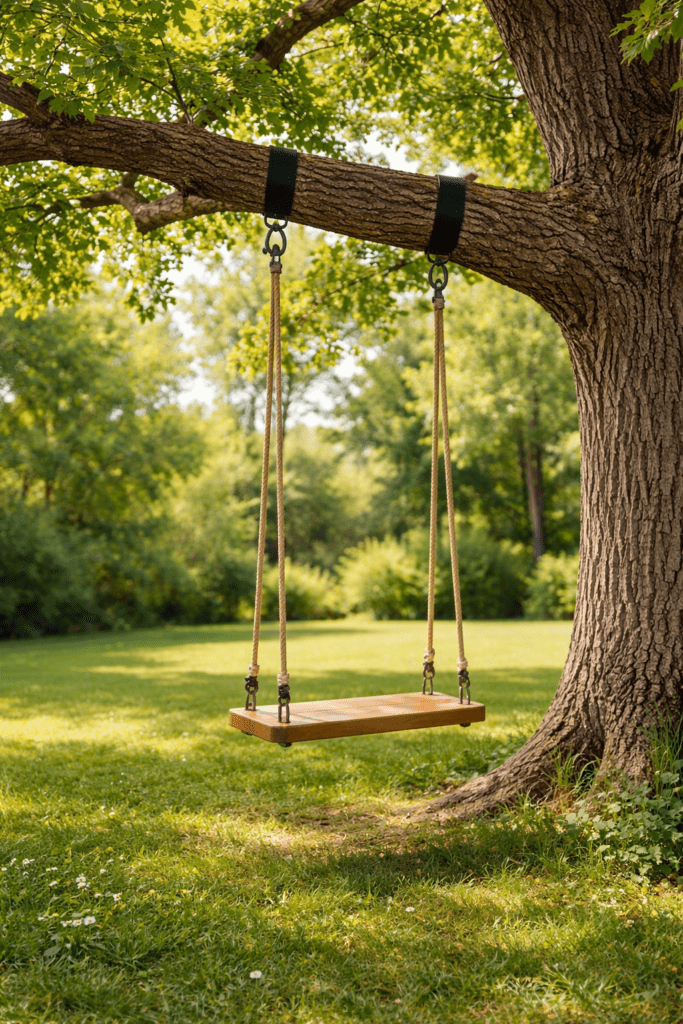
The safest setup starts with the tree itself. Look for:
- Horizontal branch (not angled)
- 8–12 inches thick minimum
- Healthy wood (no cracks, no peeling bark)
Avoid:
- Sloped branches (cause sliding + instability)
- Brittle trees
- Branches too high (more fall risk)
👉 Related guide: How to Know if Branch is Safe for a Tree Swing
Time to complete: 10–15 minutes inspection
Step 2: Keep the Swing Low to the Ground
For toddlers, height is one of the biggest risk multipliers.
Recommended:
- Seat height: 6–8 inches off the ground
Why this works:
- Reduces injury risk from falls
- Makes it easier to assist your child
- Keeps motion slower and controlled
Step 3: Use Wide Tree Swing Straps (Not Rope)
This is one of those decisions that quietly makes everything safer.
Use:

- 2″+ wide straps
- High weight rating
- Tree protection built-in
Avoid:
- Thin rope (cuts into bark, less stable)
Trade-off:
- Straps = safer + tree-friendly
- Rope = cheaper but less forgiving
Step 4: Create a Proper Safety Zone (Most People Skip This)
This is where a lot of setups fail. You need space around the swing—not just under it.
Safety guidelines recommend:
- At least 6 feet of clear space on all sides
- Front/back zone = 2x the swing height
Also:
- No toys, furniture, or obstacles nearby
- No walking path through the swing area
👉 Think of it as a “no-go zone” when the swing is in motion.
Step 5: Install Impact-Absorbing Ground Surface
Grass alone isn’t enough. Better options:
- Wood chips (6–12 inches deep)
- Rubber mulch
- Playground mats
- Sand
Why it matters:
Falls are the most common injury—and the surface determines how serious they are.
Step 6: Secure Hardware and Eliminate Pinch Points
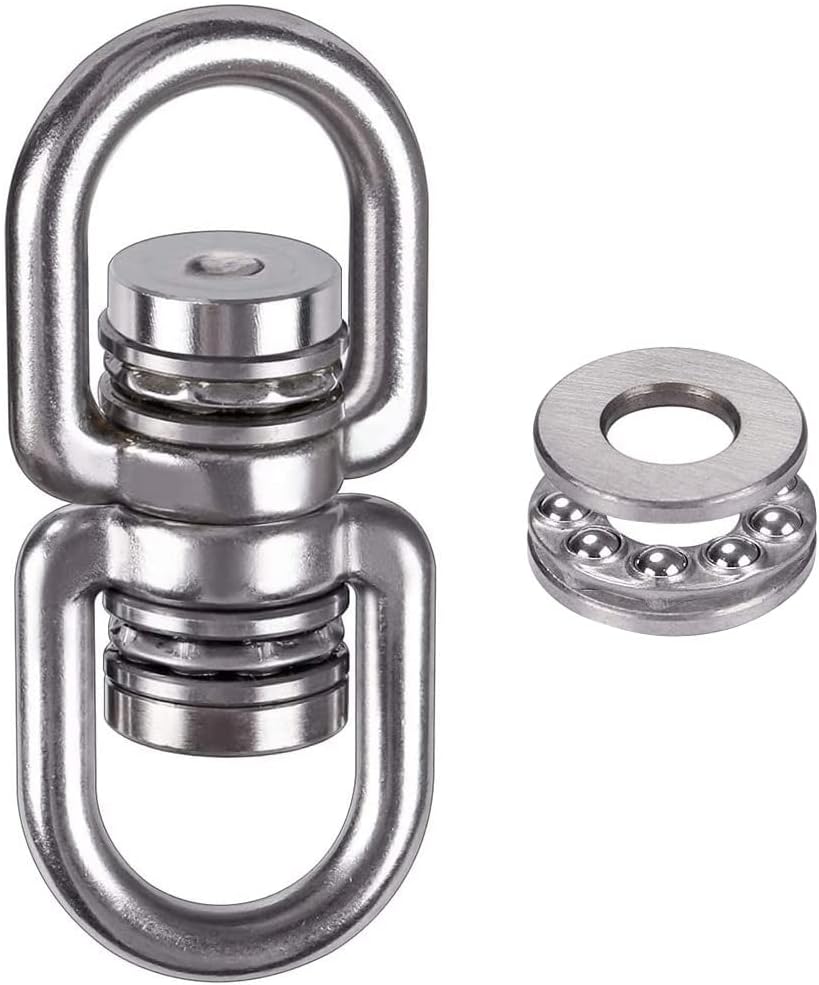
Toddlers grab everything. Check for:
- Exposed metal edges
- Open hooks or gaps
- Areas where fingers could get pinched
Use:
- Locking carabiners
- Covered chain (if using chain)
Time to complete: 10–20 minutes
Step 7: Always Supervise (Non-Negotiable)
Even the best setup doesn’t replace supervision. Safety guidance consistently emphasizes:
- Active supervision
- Teaching proper use (sit, don’t stand)
With toddlers, assume:
- They’ll lean too far
- Try to climb out
- Grab moving parts
Realistic Expectations (This Is Important)
You’re not building a “set it and forget it” setup.
Expect to:
- Re-check straps every few weeks
- Adjust height as your child grows
- Replace parts over time
Also:
- Toddlers outgrow bucket swings quickly
- Movement should stay gentle—not high swinging
Trade-Offs to Consider
| Decision | Safer Choice | Trade-Off |
|---|---|---|
| Seat type | Bucket seat | Less freedom |
| Height | Low (6–8”) | Less swing motion |
| Straps vs rope | Straps | Higher cost |
| Ground surface | Rubber/mulch | Installation effort |
The safest setup prioritizes control over excitement.
Printable Checklist: Toddler Swing Safety

Setup Checklist:
- Bucket seat with full support
- Branch is strong, level, and healthy
- Swing height set to 6–8 inches
- Wide straps installed securely
- 6+ feet of clear space around swing
- Impact-absorbing surface installed
- No exposed or pinch-point hardware
- Adult supervision in place
Time to complete: 30–60 minutes total
Frequently Asked Questions
What age can a toddler use a tree swing?
Most toddler swings are designed for ages 6 months to ~3 years, depending on weight limits (typically 25–50 lbs).
Can I hang a toddler swing higher for more fun?
You can, but it increases risk. Lower is safer for this age group—always.
Is rope safe for toddler swings?
It works, but straps are better. They’re more stable and protect the tree.
Do I need padding under the swing if it’s on grass?
Yes. Grass compacts and doesn’t absorb impact well. A proper surface reduces injury risk significantly.
How far should the swing be from other objects?
At least 6 feet on all sides, and more in front/back depending on swing height.
Resources
- Public Playground Safety Checklist
- Outdoor Home Playground Safety Handbook
- ASTM Playground Equipment Standards Overview
- International Society of Arboriculture (ISA) Home
Conclusion
A safe toddler swing setup isn’t about overbuilding—it’s about removing risk from every angle.
Focus on:
- Containment (bucket seat)
- Stability (straps + strong branch)
- Protection (soft ground + spacing)
- Supervision (always)
Do those four things well, and you’ll have a setup that’s not just safe—but stress-free.
Take the extra 30–60 minutes to set it up properly. With toddlers, that upfront effort is what keeps backyard fun exactly that—fun.